

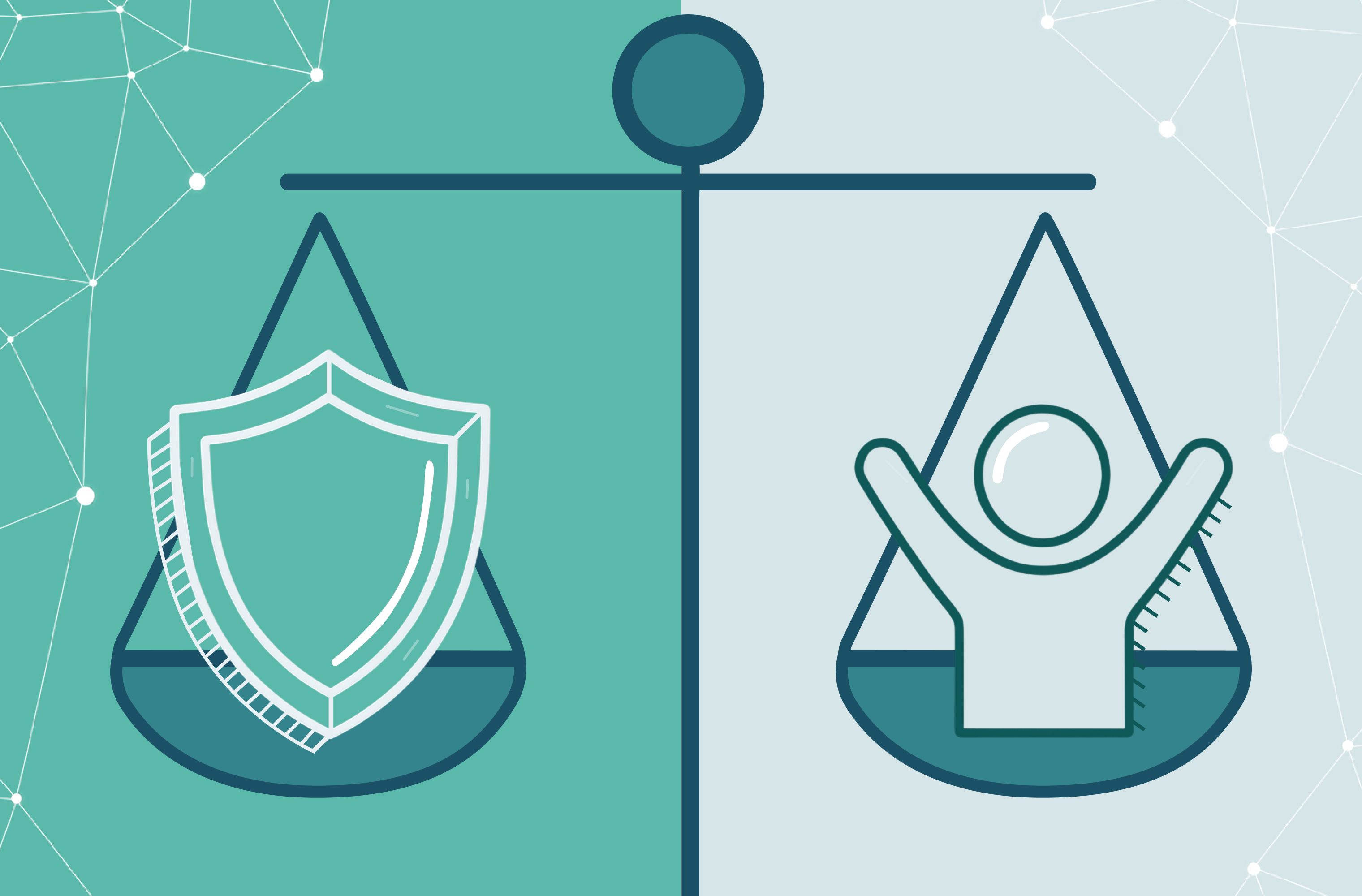
Stablecoins refer to digital assets whose value is pegged to a fiat currency such as the U.S. dollar. Moreover, the adoption of this form of cryptocurrency has skyrocketed. Furthermore, stablecoins were over $250 billion in market capitalization by the middle of 2025. They bridge traditional finance and the blockchain world to facilitate efficient cross-border payments, DeFi liquidity, and remittances. Tether (USDT) and Circle (USDC), the market leaders, highlight their centralized nature, which raises compliance questions. Globally, as regulators bring scrutiny to bear upon the crypto industry, the challenge is to provide security against illicit use, build regulation to prevent systemic risk and protect user freedom to encourage innovation. As of September 2025, this article looks at these trends in the ecosystem for fintech and regulators professionals to look at its development.
The Evolving Regulatory Landscape
The 2025 regulatory framework for stablecoins has evolved rapidly on the back of concerns over financial stability, money-laundering, and consumer-protection. In the U.S., the National Innovation Policy Creating and Guiding Class. The Stablecoins Act (GENIUS Act) was signed into law on July 18, 2025 The bipartisan bill grants federal regulators authority over payment stablecoins, mandating issuers adhere to strict prudential regulations including full reserves and monthly reports. Unauthorized issuances are banned, stablecoins are incorporated into the financial system, and their adoption in everyday payment systems may speed up while risks of being insolvent are dealt with.
Since June 2024, stablecoins are under the European Union’s Markets in Crypto-Assets (MiCA) regulation across the Atlantic. This regulation makes it compulsory for issuers to segregate reserves and define redemption rights. MiCA differentiates between asset-referenced tokens (ARTs) and e-money tokens (EMTs) requiring authorization and ongoing compliance. All around the world, China, South Korea, and Russia are trying to create an alternative framework with the Hong Kong’s Stablecoin Ordinance (May 2025). The new regulations are intended to tackle risks, including mostly depegging events like that of TerraUSD in 2022. However, they could also lead to compliance costs that further consolidate the power of the likes of Tether and Circle.
Challenges in Ensuring Security and Privacy
Stablecoins remain vulnerable to custodial risks, hacks, and exploitation for illegal uses, so security is a key concern according. Centralized issuers manage the private keys to the minting and redemption of the stablecoins that they issue and make them an easy target. A successful hack of these issuers could lead to the freezing of billions worth of assets. Reports from 2025 show that Tether’s multi-signature freezing method gives criminals a 44-minute window of opportunity to launder their money. Meanwhile, a whopping $78 million in illicit USDT remains in 3,480 Tron wallets. The company Circle has frozen USDC worth $104.5 million over scams and sanctions, but procedural delays are revealing flaws.
Privacy issues compound these challenges. The transparency of on-chain Stablecoins allows tracking. However, regulations like GENIUS, and MiCA will force an enhanced AML/KYC which may destroy user anonymity. The Bank for International Settlements (BIS) has said that stablecoins being bearer assets helps facilitate financial crime because there is no issuer to monitor it. Furthermore, merely 0.49% of illicit inflows were frozen. Privacy-focused variants of stablecoins may soon emerge as regulators tighten and evade regulations. Innovations around zero-knowledge proofs might offer compliant privacy. Adoption is low due to regulatory scrutiny.
Impact of Compliance on User Autonomy
Protective compliance measures often infringe user autonomy, centralizing control and enabling censorship. Tether Block over 5,000 address in 2025. Tether blacklisted more than 5,000 addresses in 2025, blocking access to $3 billion in USDT. This USDT was involved with money laundermore and terrorism. Moreover, Tether collaborated with authorities from all over the world, including the United States. Circle is blocking $57 million from a high-profile scam. The digital currency Tether was able to block R$32 million in a money laundering plan in Brazil. While such things effectively recover funds, they can sometimes involve innocent users.
The GENIUS Act requires due process when unblocking online gambling sites so unblocking sites will be the trend for 2025. Tether is now allowing recoveries for lost tokens greater than $1,000 and Circle has de-frozen assets after a judicial review. In allowed nations like Russia or Iran, though, owners are losing everything permanently, and this undermines the confidence in crypto. This decline of independence discourages uptake in developing nations, where stablecoins conduct quarterly B2B settlements of $30 billion.
Fostering Innovation Amid Compliance
Regulations can hinder innovation by burdening companies, especially start-ups, with compliance costs. Under MiCA’s requirements, Tether has withdrawn from Europe. Tether find compliance unprofitable. In the meantime, GENIUS Act is here. This Act has banking-grade oversight. Moreover, this oversight is designed for major players. The dominance of Tether and Circle, together controlling 90 percent of the market, raises worries of antitrust issues, and limits experimentation in DeFi and NFTs.
Conversely, clear rules can spur innovation. The GENIUS Act allows yield-bearing stablecoins that could capture 50 percent of the market by 2030 and AI for self-executing transactions. Web3 blueprints in Canada call for responsible innovation and compliance and resilience. The trading volume of stablecoins is now comparable to that of Visa.
Potential Regulatory Scenarios
The future scenarios will depend on geopolitical and technological changes. In an ideal scenario, convergence of global standards, like MiCA and GENIUS, increases interoperability with AI monitoring ensuring safety without invading privacy. Algorithmic stablecoins on Ethereum or Solana might win the day, blocking need not be needed.
A fragmented regulatory framework could lead to “digital dollarization,” whereby stablecoins pegged to the U.S. dollar threaten monetary sovereignty in the EU or emerging markets. According to BIS, an unchecked growth of stablecoins may trigger tail risks like fire sales. We may see hybrid models with pilots for CBDC in Brazil and India, central banks, and blockchain system.
Expert Perspectives
Experts emphasize balance. According to Tether CEO Paolo Ardoino, they are always in discussions with regulators to follow the rules and meet regulations. Jeremy Allaire of Circle supports innovation in regulated and states that GENIUS Act will easily bring this into the mainstream. According to BIS’s report, banks should have more safeguards. Fintech commentator Bill Plumeri of Agora warns that we should pay attention to the frictions.
Conclusion
The compliance of stablecoins should transform in a manner that security and privacy are ensured without stifling users’ freedom or innovation. Implementation – 15 Words
Implementation of the GENIUS Act and MiCA must take place in an adaptable manner. Regulators can enable the potential of stablecoins by incorporating such technologies and through collaboration and dialogue, it can help unlock the potential technology. For fintech professionals, balanced frameworks are encouraged that empower and do not constrain the stablecoin to improve financial inclusion.
